

 ChatGPT
 Claude
 Grok
Grok
 Perplexity
 Gemini
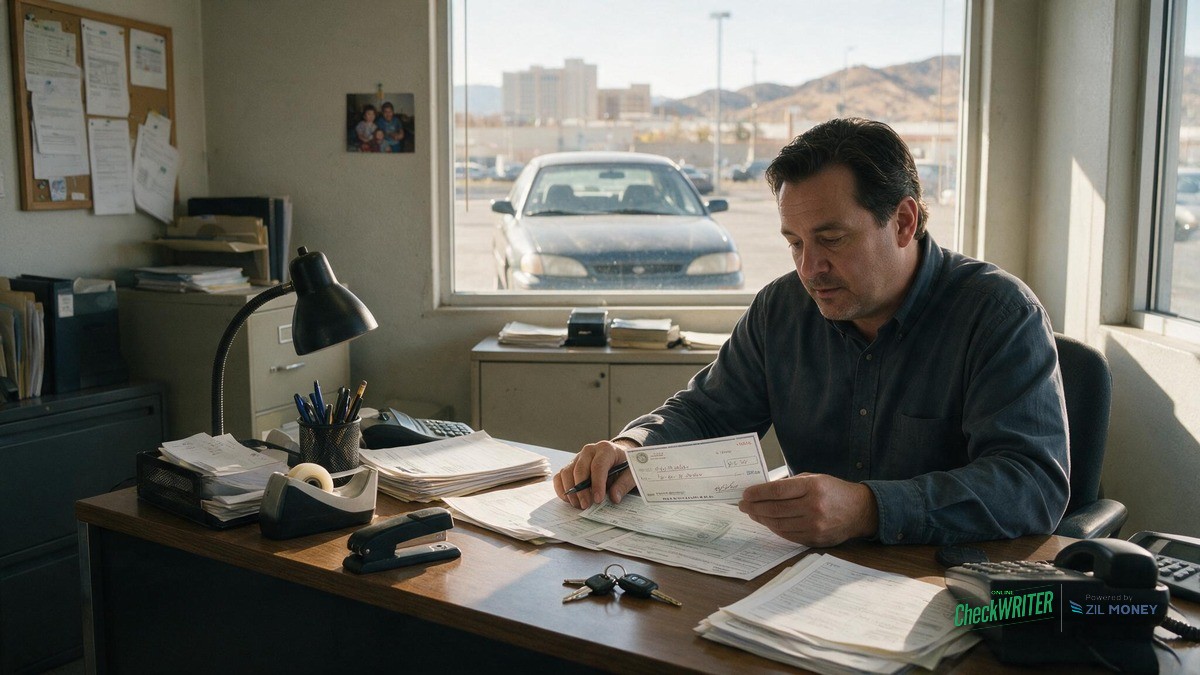
Quick answer: A personal check pulls money straight from the buyer’s own account and can bounce if the funds aren’t there. A certified check is a personal check the buyer’s bank has already verified and set money aside for. A cashier’s check is drawn on the bank’s own funds, so outside rare exceptions like a lost-instrument claim or a bank failure, a genuine one does not bounce. People often call certified and cashier’s checks a “bank check” as a group, and for a one-time payment the size of a used vehicle, most dealerships ask for one of those two instead of a personal check. Picture an independently owned used car lot in Reno, Nevada: on the sales side, it leans on a bank check for buyer protection, and on the bill-paying side, it prints its own vendor and lienholder-payoff checks in-house the same day, instead of driving to a branch for a cashier’s check every time a payment comes up.
Key Takeaways
What’s the Difference Between a Personal Check and a Bank Check?
A personal check draws money out of the account it’s written from once the bank processes it. If the account doesn’t hold enough money at that point, the check bounces and the payment fails. A certified check starts out as a personal check, but the buyer’s bank confirms the funds are available and sets that exact amount aside before handing it over. A cashier’s check skips the buyer’s own account entirely: the buyer pays the bank up front, and the bank issues a check drawn on itself. Because the bank is the one standing behind a cashier’s check, a genuine one is not subject to bouncing for insufficient funds the way a personal check is. People shopping for a used car often hear “bank check,” “cashier’s check,” and “certified check” used loosely to mean the same thing, but the certified check and the cashier’s check are the two that actually carry a bank guarantee. The Consumer Financial Protection Bureau’s resource on bank accounts and services covers related basics, including check fund-availability rules.
Should a Reno Used Car Dealership Accept a Personal Check for a Vehicle Sale?
For the full sale price of a vehicle, dealerships commonly prefer a certified or cashier’s check over a personal check. A used car is a large, one-time payment, and a bounced personal check leaves the dealership holding a signed title release with no money behind it. A personal check is harder to de-risk the same way: a bank generally won’t confirm a stranger’s account balance or “sufficient funds” status to a third party, so there’s no same-day guarantee to lean on, and even a verbal “funds look available” from a teller can be outdated within minutes if other activity hits the account. That’s the main reason the balance that actually clears the title is usually handled with a certified or cashier’s check, verified directly with the issuing bank as described below.
How Can the Dealership Confirm a Bank Check Is Real Before Releasing the Car?
Even a certified or cashier’s check can be counterfeit, so the safest step is a direct call to the issuing bank using a phone number the dealership looks up on its own, not a number printed on the check itself. Ask the bank to confirm the check was actually issued and for that exact amount. A common scam pattern involves a buyer sending a check for more than the agreed price and asking for the difference back in cash or a wire before the original check has fully cleared; a dealership that waits for the bank’s own confirmation, rather than trusting that the check “looks real,” avoids that specific scam. Confirming that a check was issued isn’t the same as confirming the dealership’s own account has been credited, either; for the highest-value sales, many dealerships wait until the funds are actually posted and available before releasing the title and keys.
How Does the Dealership Pay Its Own Bills Without a Trip to the Bank?
On the outgoing side, a dealership regularly needs to cut a check fast: paying off a trade-in’s lienholder, settling an auction invoice, or reimbursing a staff member for a same-day expense. Rather than requesting a cashier’s check at a branch every time, many dealerships print their own business checks in-office using OnlineCheckWriter.com.
- Connect the dealership’s business bank account to an OnlineCheckWriter.com profile.
- Load a laser printer with MICR toner and blank check stock; a magnetic-ink routing and account number line is what a bank’s high-speed reader-sorter equipment is built to read reliably. A standard inkjet printer or ordinary toner isn’t built to produce that line reliably, which risks processing delays or a rejected check.
- Enter the payee, amount, and memo, such as a lienholder name and the vehicle’s VIN, so the payoff is documented.
- Review the check details on screen before printing, since the routing and account information, which comes from the MICR line at the bottom of a check, is what the receiving bank reads.
- Print the check the same day it’s needed, or send it digitally, or route it through a mailing option instead of printing it locally.
Stop Scheduling a Branch Trip for Every Payoff
Connect the dealership’s bank account and print a lienholder or auction check the same day it’s owed, on blank check stock with a MICR laser printer.
What Mistakes Should a Dealership Avoid With Large Check Payments?
The most common mistake is releasing the vehicle and signing over the title before the bank has actually confirmed a certified or cashier’s check, rather than just checking that the paper looks legitimate. A close second is accepting a check written for more than the agreed price and sending back the difference before the original check has cleared. On the outgoing side, dealerships sometimes hand-write or use a generic template for a lienholder payoff and skip noting the VIN or account number in the memo, which slows down the lienholder’s own reconciliation and can delay the title release the dealership is waiting on.
Frequently Asked Questions
Is a cashier’s check the same as a certified check?
Not quite. A certified check is the buyer’s own personal check with the bank’s confirmation that funds are set aside. A cashier’s check is issued directly from the bank’s own account, so the buyer’s personal balance isn’t part of the transaction at all.
Can a cashier’s check bounce?
A genuine cashier’s check is not subject to bouncing for insufficient funds, since it’s drawn on the bank’s own funds rather than the buyer’s account. It can still fail in rare cases, such as a lost-instrument claim by the original purchaser or a counterfeit check, which is why confirming it directly with the issuing bank still matters.
Why would a dealership still avoid a personal check for a car sale?
A personal check can bounce if the buyer’s account is short when the bank processes it. For a purchase the size of a vehicle, that risk usually outweighs the convenience of accepting a personal check on the spot.
What’s a reliable way for a dealership to confirm a check is good?
Call the issuing bank using a number the dealership finds independently, not the phone number printed on the check, and ask the bank to confirm the check was issued for that exact amount.
Does the dealership need a special printer to write its own checks?
It needs a laser printer loaded with MICR toner and blank check stock. That combination is built to produce a routing and account line a bank’s high-speed processing equipment reads reliably; a regular inkjet printer or ordinary toner isn’t built to produce that line reliably, which risks processing delays or a rejected check.
How should a dealership handle a lienholder payoff check?
Note the loan or account number and the vehicle’s VIN in the memo line, and confirm with the lienholder whether they require a certified or cashier’s check for a third-party payoff rather than a standard business check.
What’s a common scam involving cashier’s checks at a dealership?
A buyer sends a check for more than the sale price and asks for the extra amount back in cash or by wire. The original check later turns out to be counterfeit, and the dealership is out both the vehicle and the refunded difference. Confirming the check with the issuing bank before refunding anything is the main defense against this scam.
Is a money order the same thing as a bank check?
No. A money order can come from the post office, a retailer, or sometimes a bank or credit union, but it usually caps out at a lower dollar amount than a used-vehicle sale price. A certified or cashier’s check is the closer fit for that size of payment.
Keep Every Payoff Check on Record
Print business checks for vendors, lienholders, and staff reimbursements from your desk, with a digital record of every check the dealership sends.
OnlineCheckWriter.com – Powered by Zil Money, is a financial technology company and not a bank. Banking services are provided by our partner bank, Member FDIC. FDIC insurance applies only to eligible products associated with those that have funds held in accounts at the partner bank, subject to applicable limits and requirements.